Exploring Multilayer Film for Food Packaging
In the modern global food economy, the distance between where food is produced and where it is consumed has never been greater. To bridge this gap, the packaging industry has developed sophisticated technologies to ensure that products remain safe, nutritious, and flavorful. At the forefront of this evolution is multilayer film technology. Unlike traditional single-layer plastics, which often lack the necessary barrier properties, multilayer films are engineered structures designed to fight the specific biological and chemical factors that lead to food spoilage.
The shift toward multilayered systems is a response to the diverse requirements of different food categories. By combining various polymers, manufacturers can create a material that blocks oxygen, retains moisture, and withstands the mechanical rigors of the supply chain.
Key Layers
The complexity of a multilayer film lies in its anatomical structure. A typical film is not a singular sheet but a microscopic sandwich of anywhere from 3 to 11 distinct layers. Each layer serves a unique biophysical function, and their arrangement is critical to the film's overall performance.
The Sealant (Inner) Layer: This is the layer in direct contact with the food. Usually made of Polyethylene (PE) or Polypropylene (PP), its primary job is to provide a hermetic, leak-proof seal at low temperatures. It must also be food-safe, ensuring no harmful chemicals migrate into the product.
The Barrier (Middle) Layer: This is the functional heart of the packaging. It is designed to block the transmission of gases and water vapor. Even a few microns of high-barrier material can extend the shelf life of a product from days to months.
The Tie Layers: Because different polymers, like PE and Nylon, do not naturally stick together, tie layers act as the molecular glue. They prevent the film from delaminating under the stress of heat or physical handling.
The Structural (Outer) Layer: Usually made of PET or BOPP, this layer provides the film’s external strength, heat resistance, and gloss. It is also the surface used for high-quality printing, which is essential for branding and consumer information.
The precision required in managing these layers is immense. The characterization of these films is essential. Through advanced analytical techniques, engineers can verify the thickness and composition of each layer to ensure there are no defects that could lead to a breach in the sterile barrier.
Common Materials
Selecting the right material for multilayer food packaging film is a delicate balance of chemistry and economics. Each polymer brings a specific set of characteristics to the table, and the combination must be tailored to the specific food product being packaged.
Polyethylene (PE): The most common foundation. PE is prized for its excellent moisture barrier and superior sealability.
Polyamide (PA/Nylon): Known for its immense mechanical strength and puncture resistance. It is often used for packaging bone-in meats or frozen foods that might otherwise tear through thinner plastics.
EVOH (Ethylene Vinyl Alcohol): Perhaps the most critical material in high-barrier food packaging. EVOH provides an exceptional barrier against oxygen, nitrogen, and carbon dioxide, making it indispensable for High Barrier Packaging.
Polyethylene Terephthalate (PET): Chosen for its thermal stability and clarity. It allows consumers to see the quality of the food while providing a robust external shell.
In this high-tech landscape, companies like GroupSmart serve as vital links in the supply chain. GroupSmart's 11-layer coextruded cast films provide superior barrier properties, extending shelf life and ensuring food safety. The expertise ensures that the interactions between the PA, EVOH, and PE layers are optimized for maximum barrier protection and mechanical integrity, allowing food producers to meet international safety standards with confidence.
Multilayer Film Advantages
The move toward multilayer films is driven by a series of tangible advantages that single-layer materials simply cannot replicate. These benefits impact everything from the manufacturer’s bottom line to the consumer’s safety.
- Extended Shelf Life and Food Waste Reduction
The primary advantage is preservation. By creating a near-total barrier against oxygen and moisture, multilayer films prevent the oxidation of fats and the growth of aerobic bacteria. This reduction in food spoilage is a key component of global sustainability goals, as it ensures that more produced food actually reaches the consumer's plate.
- Mechanical Integrity and Safety
Multilayer films are significantly tougher than their single-layer counterparts. The inclusion of Nylon (PA) layers provides puncture resistance that protects the package during the vibration and impact of long-distance transport. This integrity is vital for maintaining a sterile environment, especially for ready-to-eat meals and fresh proteins.
- Organoleptic Preservation
A high-quality multilayer film keeps the product's essential oils and aromas in. For products like coffee, spices, and cheeses, the aroma barrier is essential for brand value. It prevents the food from becoming bland and stops cross-contamination of scents in the supermarket aisle.
- Efficiency and Cost-Effectiveness
While the technology behind these films is complex, the ability to downgauge, using thinner layers of high-performance material, results in overall plastic reduction. The future trend in this industry is moving toward even more efficient structures that provide better protection with less total material. This leads to lower shipping weights and reduced environmental taxes for manufacturers.
Multilayer film for food packaging is a triumph of material science. By carefully engineering the Layers, selecting the appropriate Material, and capitalizing on the significant Advantages of co-extruded structures, the industry has successfully pushed the boundaries of food safety. As we look forward, the continued innovation from specialists like GroupSmart and the rigorous standards established by characterization labs will ensure that our food remains fresh, safe, and sustainable for generations to come.
For more information about barrier films for food packaging, please feel free to contact us!
FOOD PACKAGING BARRIER FILM SOLUTIONS
Food packaging barrier film: Ensuring Safety, Freshness, and Sustainabilit.
As a trusted high barrier film factory, GroupSmart develops multilayer food packaging films that protect products from oxygen, moisture, and contamination, extend freshness, an
How Barrier Films for Food Packaging Protect Freshness and Extend Shelf Life
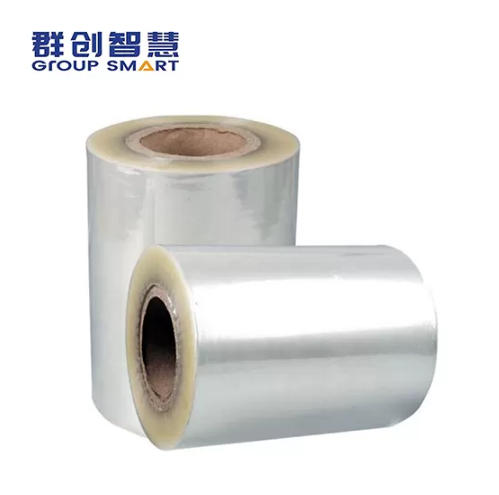
GroupSmart’s 11-layer coextruded barrier films for food packaging deliver reliable barrier performance, durability, and sustainability. By protecting food from oxygen, moisture, light, and external contaminants, these recyclable barrier film help extend shelf life while maintaining freshness and quality. Excellent sealability, puncture resistance, and clarity also support package integrity, food safety compliance, and high-quality printed presentation.
Materials and Applications of high barrier film Packaging
The multilayer structure of high barrier packaging films enables customized combinations of EVOH, PA, PE, and PP to provide the required balance of gas and aroma barrier performance, mechanical strength, and sealing reliability. The high barrier food packaging can be configured for fresh produce, dairy products, meat, seafood, and ready-to-eat meals, with formats including vacuum packs, thermoformed packaging, stand-up pouches, and lidding films. They also support high-speed packaging processes and can incorporate recyclable or other sustainability-focused material options according to application requirements.
For more information about pe pa pe, please feel free to contact us!
Lidding Film for Food Packaging: Applications and Benefits
Lidding film has become a cornerstone of modern food packaging solutions due to its versatility, protective performance, and consumer convenience features. In an era where food safety, shelf life, traceability, and ease of use are paramount, lidding films offer a tailored solution that aligns with manufacturing efficiency and market demands.
Role of Lidding Film in Food Packaging
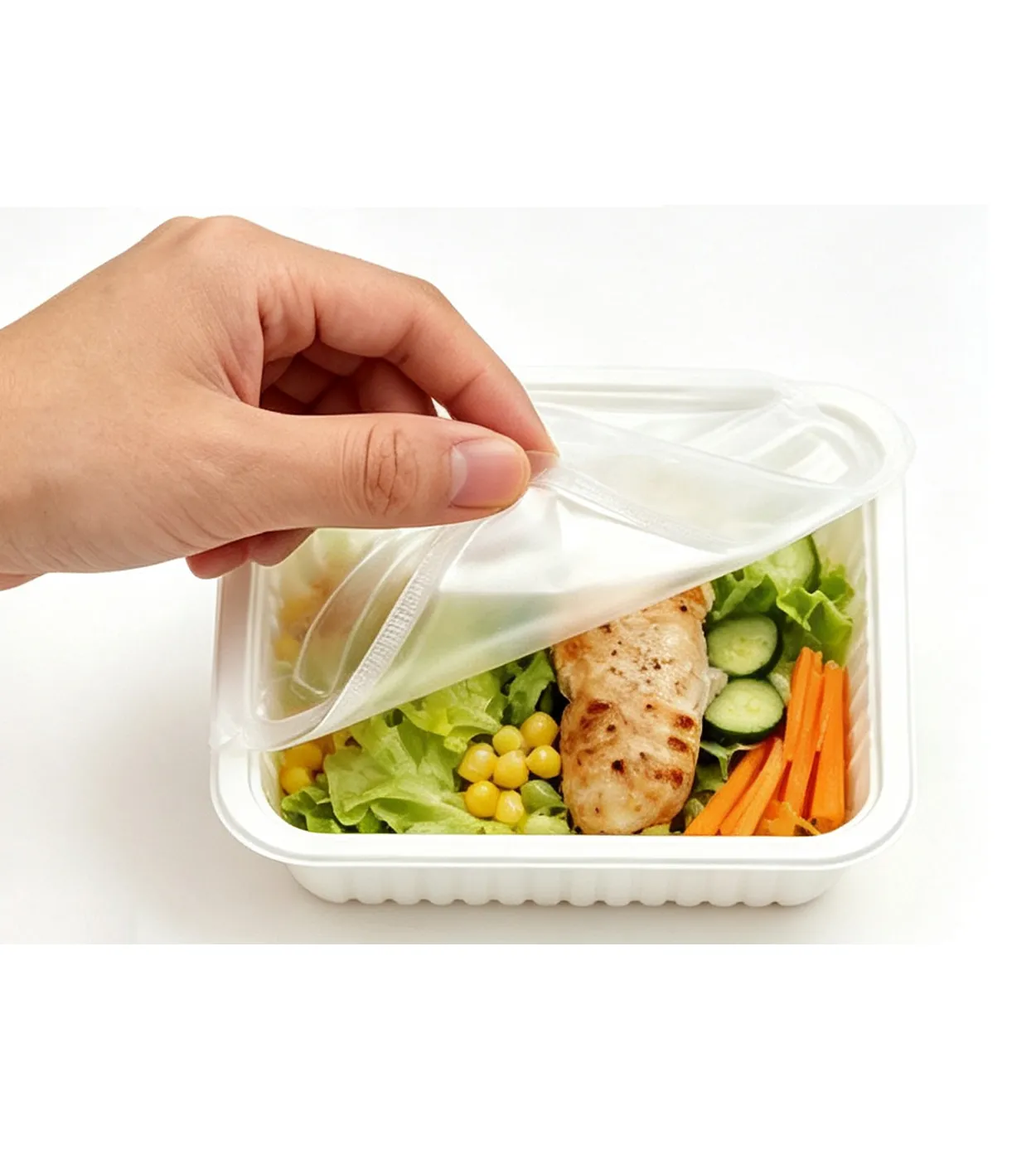
Lidding film refers to thin, flexible film materials used to seal packages such as trays, bowls, containers, and tubs. In food packaging, this film acts as the top barrier layer that encloses the product, protects it from external contaminants, and preserves freshness. The principal functions of such films include sealing integrity, barrier protection (against oxygen and moisture), consumer-friendly opening, and compatibility with automated packaging lines.
Food products are highly sensitive to environmental conditions. Exposure to oxygen, moisture, or microbial contamination can accelerate spoilage and reduce shelf life. Lidding films help mitigate these risks by forming a secure seal that reduces oxygen transmission and moisture ingress.
Compared with traditional rigid lids or wraps, lidding films offer several advantages, including reduced material consumption, lower transportation costs, enhanced product visibility, and ease of automation. When paired with advanced tray materials such as rigid PVC, PET, or multilayer barrier films, lidding films create packaging systems that protect quality while remaining user-friendly.
How Lidding Film Works in Food Packaging?
lidding film food packaging is typically applied on top of a tray or container and sealed using heat to produce a hermetic closure. Heat seal technology works by briefly raising the temperature of the film’s sealing layer until it bonds with the tray surface. Upon cooling, this bond provides a secure closure that resists moisture, oxygen, and tampering.
A critical element in this process is the seal layer, a polymer layer specially designed to activate at specific temperatures. The engineering of this layer affects peel strength, ease of opening, and seal reliability under varying conditions such as refrigeration, freezing, or modified atmosphere packaging (MAP).
Regardless of the type, the primary goal is to balance seal integrity and opening convenience while protecting the product throughout distribution and storage.
Easy Peel Lidding Film for Consumer Convenience
Easy peel lidding films are designed to open effortlessly without sharp tools or excessive force. This quality has become increasingly important as consumers demand greater convenience and accessibility, especially for ready-to-eat foods and pre-prepared meals.
From single-serve yogurt cups and deli trays to microwave-ready meals and fresh produce, easy peel films improve the user experience. They help reduce product spillage and messy tearing that can occur with traditional wrap or rigid lids. The film’s sealing layer is engineered to moderate adhesion so that the film peels cleanly from the tray, leaving no residual film that might interfere with product access.
Because they combine convenience with secure sealing, easy peel films are rapidly becoming the standard choice for fresh foods, chilled ready meals, and grab-and-go packaging formats.
Heat Seal Performance and Shelf-Life Protection
Heat seal performance is one of the most critical performance indicators for lidding films. A secure heat seal ensures that the product remains protected from oxygen, moisture, and microbial contamination during transit, storage, and display. Foods such as deli meats, cheeses, salads, and fresh produce especially benefit from strong seals that maintain freshness without leakage.
The quality of a heat seal depends on several factors: the composition of the sealing layer; temperature and dwell time during sealing; compatibility between the film and tray material.
Modern lidding films are engineered with sophisticated multilayer constructions, where each layer contributes specific functionality, barrier performance, sealability, mechanical strength, or printability. These films are designed to perform reliably across a range of sealing conditions, making them suitable for both high-speed packaging lines and variable processing environments.
Compatibility with MAP and Vacuum Packaging
MAP and vacuum packaging are widely used to extend the shelf life of perishable foods by altering the gas composition inside the package. In such systems, the lidding film must maintain a strong, gas-tight seal to prevent oxygen infiltration and moisture loss.
For example, products like fresh poultry, red meats, and fish fillets are often packaged in MAP trays with a specialized lidding film that can preserve freshness for days or weeks longer than traditional packaging. Similarly, vacuum packaging removes air entirely, creating a low-oxygen environment that slows oxidation. In both cases, the performance of the lidding film directly influences product quality and shelf stability.
To support MAP and vacuum applications, the lidding film often contains enhanced barrier layers, such as EVOH or nylon, within a multilayer structure. These materials help reduce gas transmission rates and enhance overall protection.
Key Considerations When Choosing the Right Lidding Film for Food Products
Selecting the appropriate lidding film involves evaluating several factors related to both product characteristics and packaging line requirements.
Product Nature and Sensitivity
Highly perishable foods such as fresh meats and seafood require films with excellent barrier properties. Foods that release moisture may need films with robust seal integrity to prevent leakage.
Tray Material Compatibility
Lidding films must be compatible with the tray or container material, whether it is PET, PP, PS, or a multilayer composite. Compatibility ensures strong adhesion and consistent sealing.
Ease of Opening
For consumer-oriented products, it is important that the film is reliably easy to open without sacrificing seal strength. Easy peel or peelable films are designed for this balance.
Processing Conditions
The film chosen must perform reliably under the specific conditions of the packaging line, including sealing temperature, line speed, and dwell time.
Working with experienced lidding film manufacturers and suppliers helps food producers fine-tune these choices and achieve optimal performance on both packaging lines and retail shelves.
Applications of Lidding Film in Specific Food
Fresh Meat and Poultry
Fresh meat and poultry products are often packaged in trays sealed with high-barrier lidding films. These films help protect color, freshness, and texture by limiting oxygen exposure. In systems where MAP is used, the lidding film plays a crucial role in maintaining the modified gas environment, slowing oxidation and extending shelf life.
Dairy and Ready-to-Eat Foods
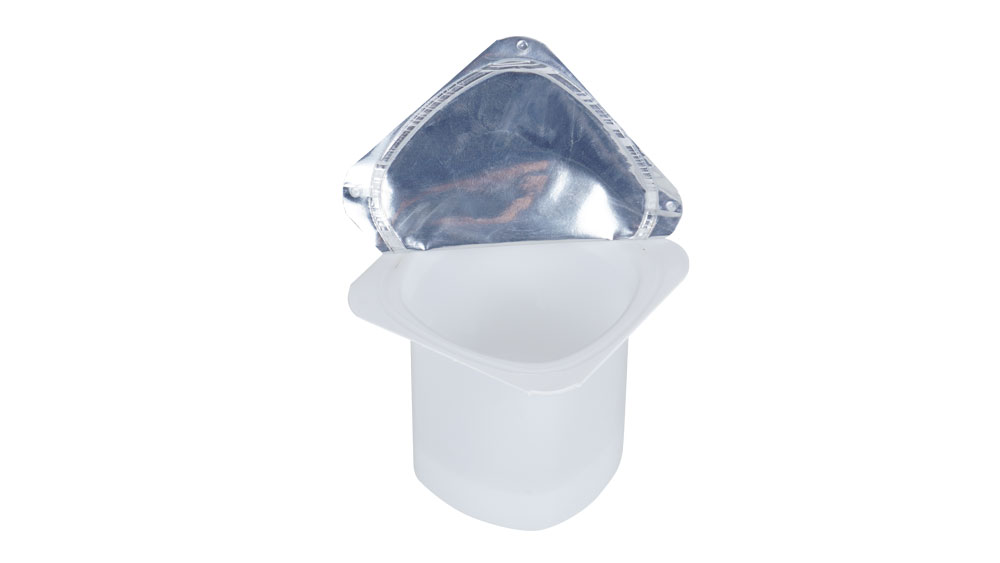
Dairy products such as yogurt, cottage cheese, and deli trays benefit from peelable films that provide a secure seal while still offering easy access for consumers. The controlled peel performance makes these films ideal for products that are opened and closed multiple times.
Snacks and Prepared Meals
For prepared meals and snacks, easy peel films enhance convenience and support microwavability or oven-ready packaging. Their compatibility with heat applications and consistent peel behavior helps ensure a positive consumer experience.
Benefits of Heat Seal Lidding Film in Food Packaging
Enhanced Product Protection: Secure seals help guard against contamination and spoilage.
Better Shelf Presentation: Clarity, gloss, and printability support branding and visual appeal.
Consumer Satisfaction: Easy opening enhances usability and reduces frustration.
Reduced Waste: Secure film seals help reduce product spoilage and returns.
Lidding film remains a vital element of food packaging solutions, bridging the gap between product protection and consumer convenience. From easy peel and peelable films to heat seal systems and barrier multilayer structures, lidding films are designed to preserve freshness, facilitate handling, and enhance product presentation.
For food manufacturers seeking versatile, high-performance lidding solutions, multi-functional lidding films like those provided by GroupSmart offer the adaptability and reliability required for modern packaging environments.
Explore suitable lidding film materials based on your packaging requirements and transform your food packaging operations with enhanced performance and consumer appeal.
For more information about pp evoh pe, please feel free to contact us!
MEDICAL PACKAGING FILMS
Medical Packaging Films: Sterility, Protection, and Reliability
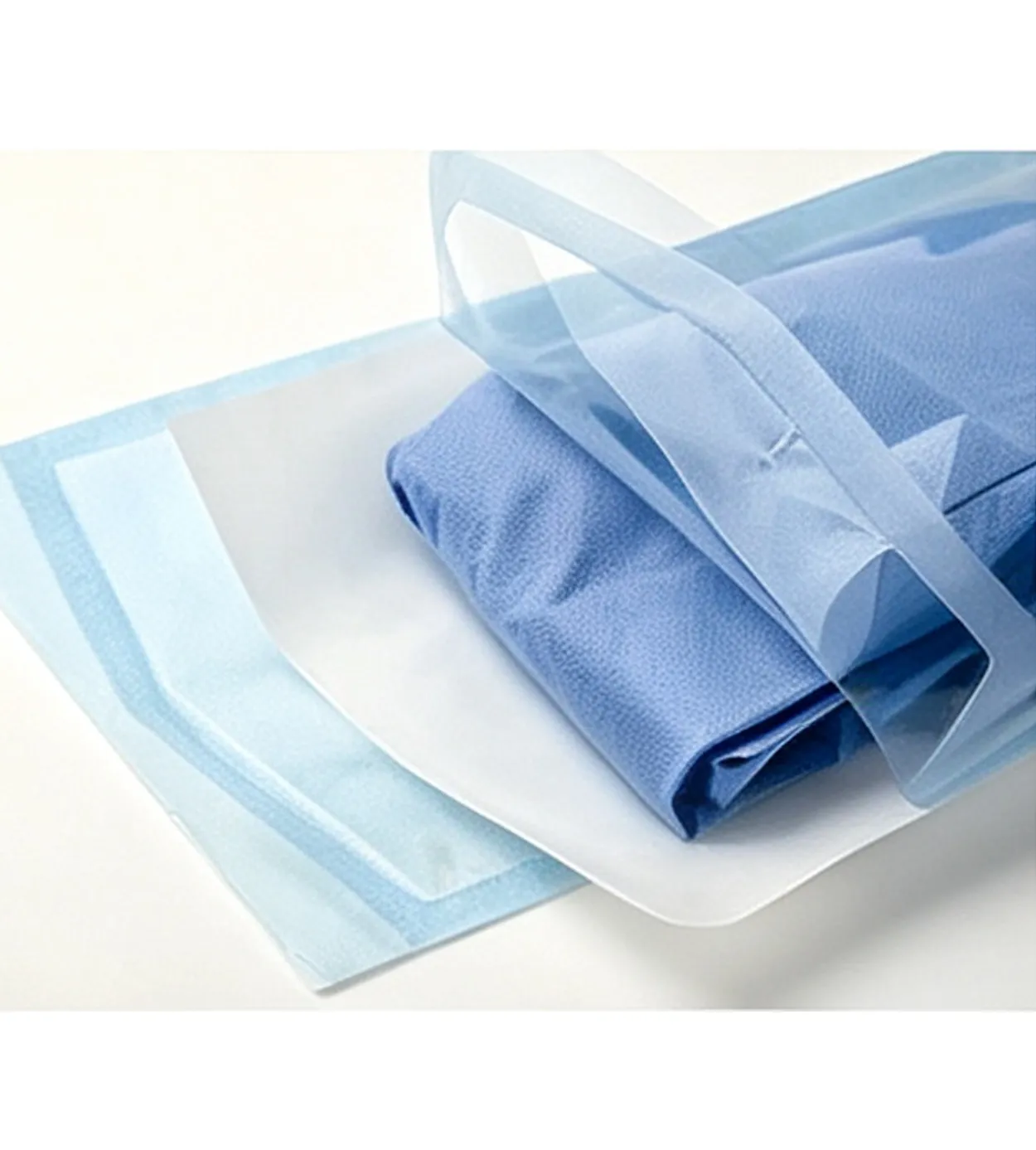
In the medical and pharmaceutical industries, packaging integrity is critical to ensuring product safety and sterility. GroupSmart's 11-layer coextruded cast film offers exceptional barrier performance against moisture, oxygen, and microbial contamination, making it ideal for medical device packaging, drug blister packs, and sterile barrier systems.
The films' multi-layer construction enables precise customization, incorporating materials like high-barrier polymers (EVOH, aluminum oxide coatings) and peelable sealants for easy opening. These properties ensure compliance with ISO 11607 and other regulatory standards for medical packaging. The films also provide excellent puncture and tear resistance, protecting sensitive medical products during transportation and storage.
Moreover, GroupSmart's medical packaging film support sterilization methods such as gamma irradiation, ethylene oxide (EtO), and steam autoclaving without compromising performance. Their clarity allows for easy product visibility, while anti-fog layers enhance usability. By combining advanced material science with stringent quality control, GroupSmart delivers reliable, high-performance medical forming films that meet the demanding requirements of healthcare and pharmaceutical packaging.
For more information about high barrier, please feel free to contact us!